
Insights
Strategic notes on autonomous security as an operating model.
CLAWOLF Insights is the strategic layer: how agentic SOC, decision ownership, evidence discipline, and governed autonomy reshape security operations for enterprise teams, boards, and acquirers.

Archive
Insights
Longer-form strategic commentary on autonomous SOC architecture, enterprise resilience, and agentic security operations.



Arga is building a better way to train enterprise AI agents
This capital deployment (signal: Arga is building a better way to train enterprise AI agents) is positioning for consolidation in autonomous security operations...
Read full
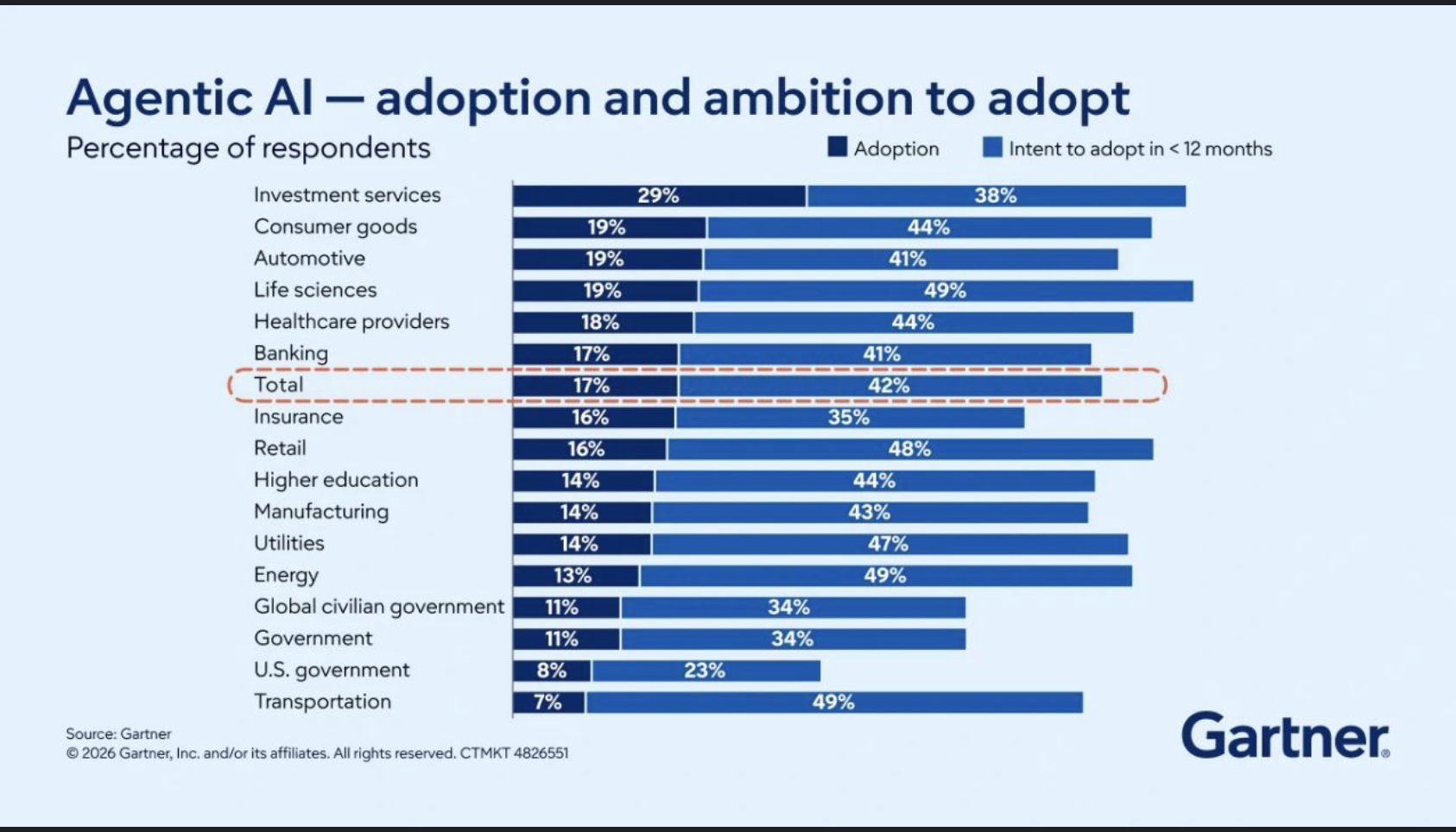
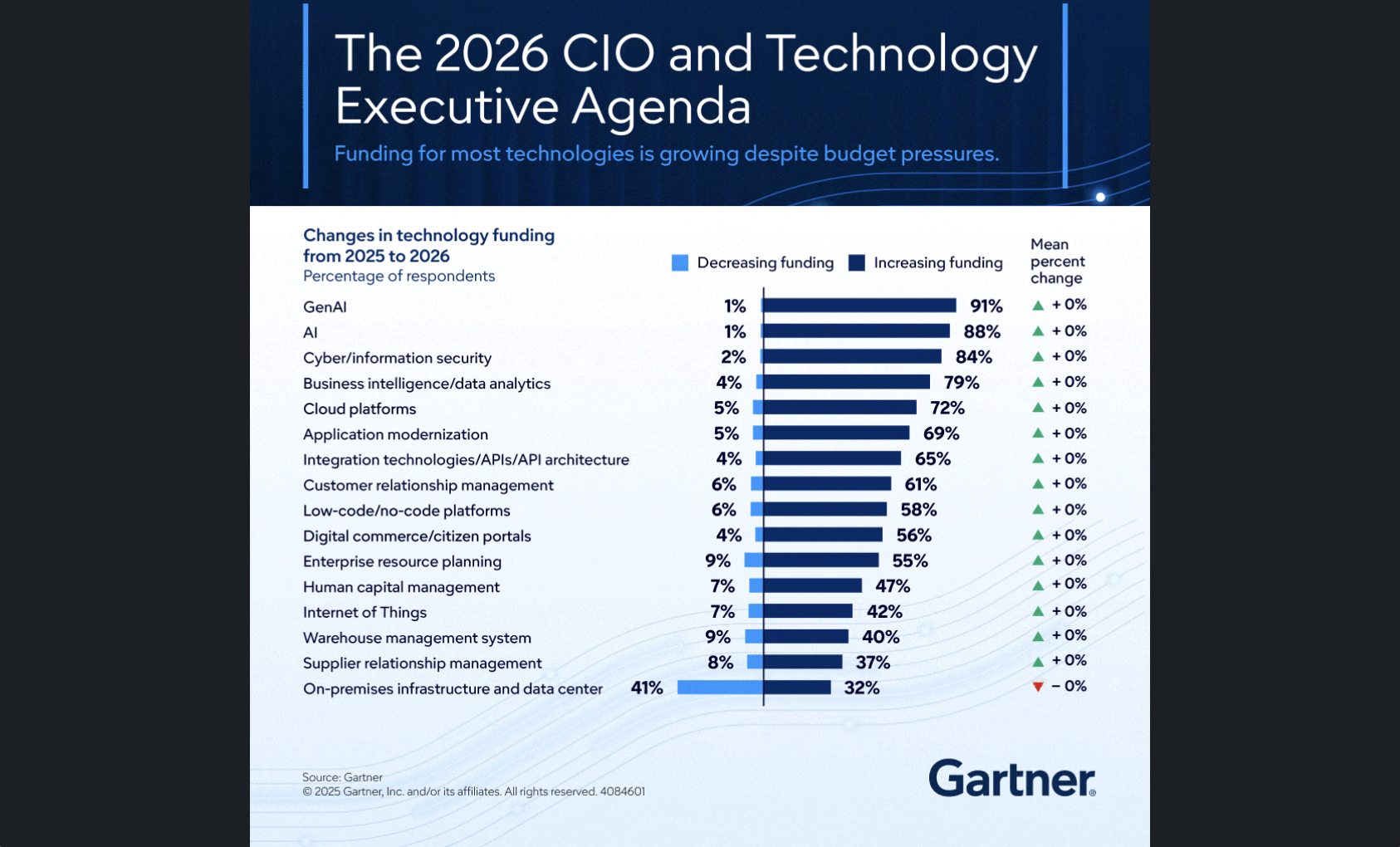
This capital deployment (signal: Arga is building a better way to train enterprise AI agents) is positioning for consolidation in autonomous security operations. Buyers are evaluating governed execution layers — not another alert router. Clawolf AS OS maps to that gap when verdict, evidence, and bounded response must stay in one loop. Making AI agents work in practice is a lot harder than many companies expected — but there’s help on the way. A new crop of startups is finding better ways to test and train those agents before they get deployed, particularly on the complexities of the modern enterprise. Arga Labs is one such company, which announced its $10 million seed round on Wednesday. The round was led by General Catalyst with participation from Box Group, Emergence, Gradient and SV Angel. Arga Labs builds training environments for enterprise software like Salesforce, Workday, and email clients. Where most testing environments settle for a stateless API endpoint, Arga builds a full scale digital twin of the program, effectively cloning an entire enterprise program with permission systems and web hooks intact. The result is a more robust way to train agents across multiple systems. CEO and co founder Philip Li gives the example of a prospective client creating a lead in salesforce, while their colleague reaches out separately through Hubspot. “Can the agent correctly identify that these two are the same company?” Li says, “Are they able to check whether or not they’ve only sent the email once? Are they able to identify who to send the email to out of the two opportunities?” Agentic systems still struggle with this kind of ambiguity — and he sees Arga Labs’ tools as critical to helping them improve. Normally, the agent could be trained for a task like this through reinforcement learning: essentially, running the scenario tens of thousands of times and letting only the successful strategies through. But the nature of enterprise software makes that scale of testing
Critical M&A Security Signal: Google Mandiant acquisition reshapes enterprise SOC market
Alphabet's Mandiant acquisition expanded cloud security operations, threat intelligence, and SOC automation for enterprise security teams.
For CLAWOLF, the signal is clear: the market is moving from tool aggregation toward governed autonomy, where verdict ownership, evidence-grade containment, and audit-ready rollback become the operating layer.
Google Mandiant acquisition: why governed autonomy matters
The Mandiant signal shows enterprise buyers are consolidating around cloud security operations, threat intelligence, and SOC automation.
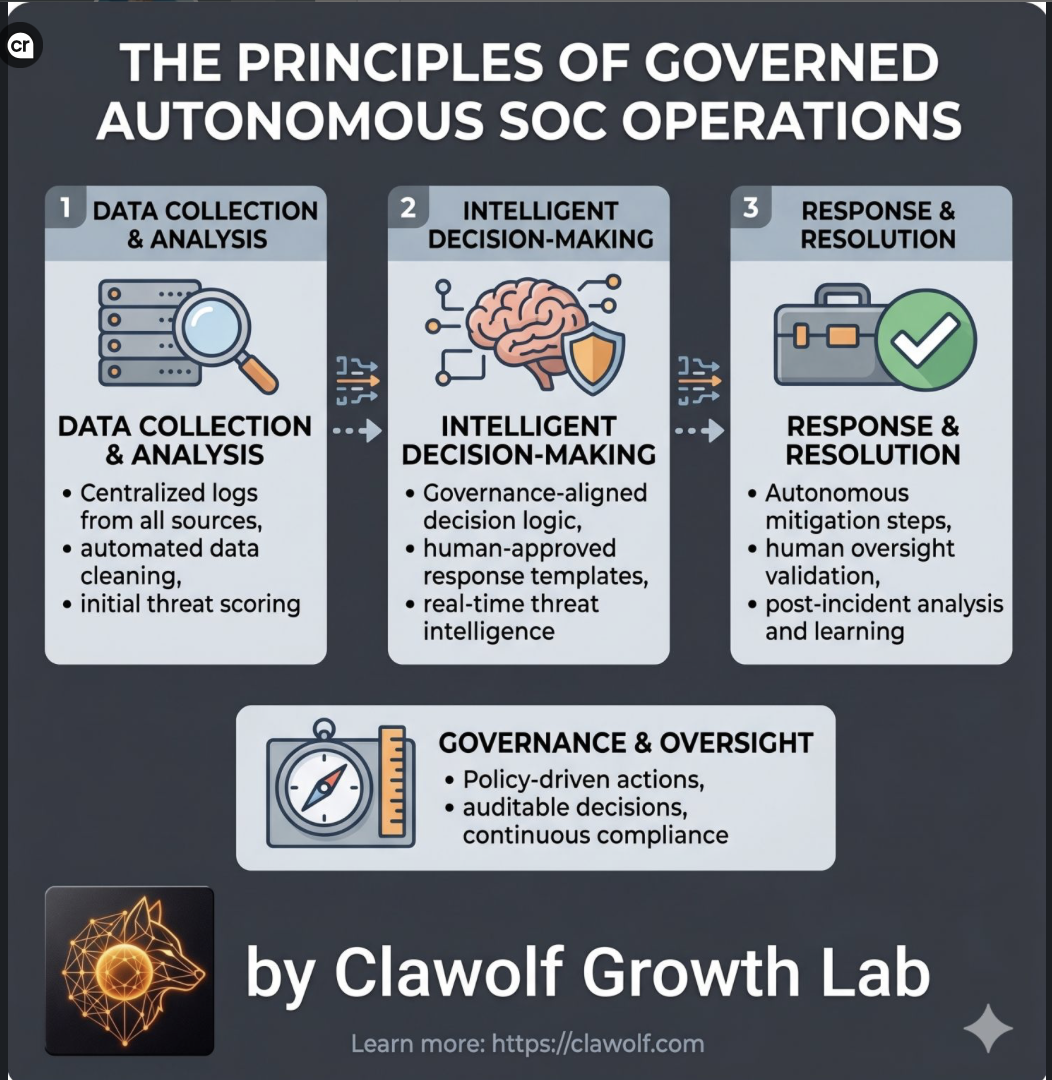
CLAWOLF's AS-OS response is to make security autonomy governable: decision fabric, sandboxed evidence, confidence gating, rollback discipline, and audit continuity in one operating model.
Arga is building a better way to train enterprise AI agents
This capital deployment (signal: Arga is building a better way to train enterprise AI agents) is positioning for consolidation in autonomous security operations...
Read full
This capital deployment (signal: Arga is building a better way to train enterprise AI agents) is positioning for consolidation in autonomous security operations. Buyers are evaluating governed execution layers — not another alert router. Clawolf AS OS maps to that gap when verdict, evidence, and bounded response must stay in one loop. Making AI agents work in practice is a lot harder than many companies expected — but there’s help on the way. A new crop of startups is finding better ways to test and train those agents before they get deployed, particularly on the complexities of the modern enterprise. Arga Labs is one such company, which announced its $10 million seed round on Wednesday. The round was led by General Catalyst with participation from Box Group, Emergence, Gradient and SV Angel. Arga Labs builds training environments for enterprise software like Salesforce, Workday, and email clients. Where most testing environments settle for a stateless API endpoint, Arga builds a full scale digital twin of the program, effectively cloning an entire enterprise program with permission systems and web hooks intact. The result is a more robust way to train agents across multiple systems. CEO and co founder Philip Li gives the example of a prospective client creating a lead in salesforce, while their colleague reaches out separately through Hubspot. “Can the agent correctly identify that these two are the same company?” Li says, “Are they able to check whether or not they’ve only sent the email once? Are they able to identify who to send the email to out of the two opportunities?” Agentic systems still struggle with this kind of ambiguity — and he sees Arga Labs’ tools as critical to helping them improve. Normally, the agent could be trained for a task like this through reinforcement learning: essentially, running the scenario tens of thousands of times and letting only the successful strategies through. But the nature of enterprise software makes that scale of testing
Google Mandiant acquisition: bounded autonomy for security operations
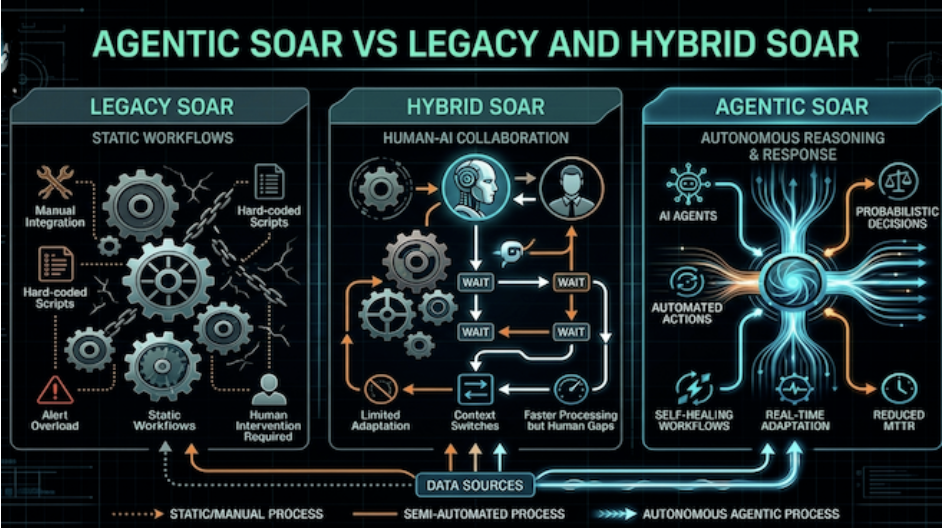
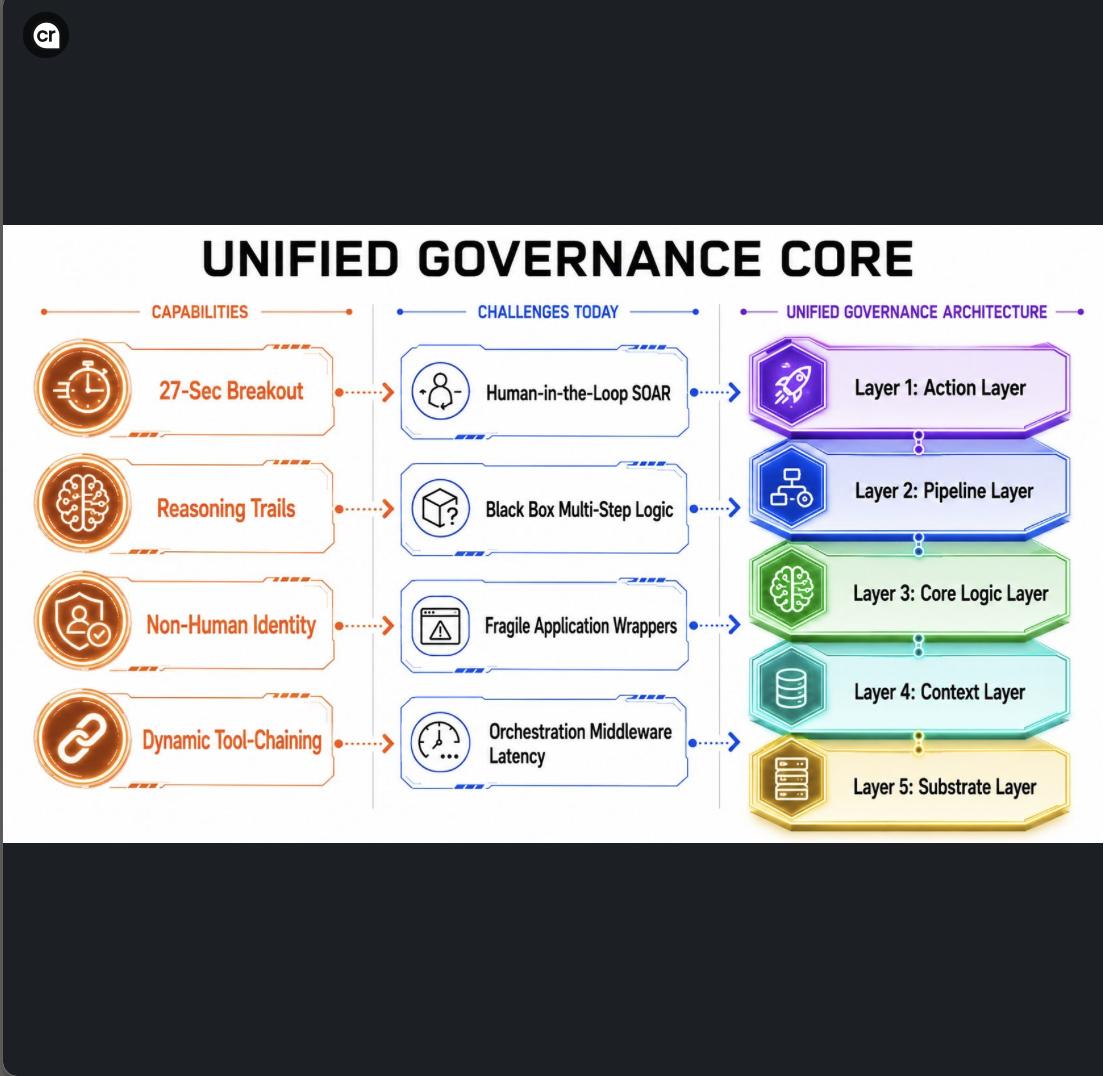
This technical note frames the M&A signal against CLAWOLF architecture claims: five-layer AS-OS design, proprietary logic cores, sandboxed forensic control, zero-day response pipeline, and context-aware decision fabric.
The engineering thesis is that security automation needs a governed runtime, not another disconnected orchestration overlay.
Arga is building a better way to train enterprise AI agents
Technical authority note (GitHub / README style) Title: Arga is building a better way to train enterprise AI agents — bounded autonomy for security operations Abstract: This note summarizes the operational reading of the signal: operational insight, bounded decision ownership, evidence discipline, and containment accountability Details: Making AI agents work in practice is a lot harder than many companies expected —...
Read full
Technical authority note (GitHub / README style) Title: Arga is building a better way to train enterprise AI agents — bounded autonomy for security operations Abstract: This note summarizes the operational reading of the signal: operational insight, bounded decision ownership, evidence discipline, and containment accountability Details: Making AI agents work in practice is a lot harder than many companies expected — but there’s help on the way. A new crop of startups is finding better ways to test and train those agents before they get deployed, particularly on the complexities of the modern enterprise. Arga Labs is one such company, which announced its $10 million seed round on Wednesday. The round was led by General Catalyst with participation from Box Group, Emergence, Gradient and SV Angel. Arga Labs builds training environments for enterprise software like Salesforce, Workday, and email clients. Where most testing environments settle for a stateless API endpoint, Arga builds a full scale digital twin of the program, effectively cloning an entire enterprise program with permission systems and web hooks intact. The result is a more robust way to train agents across multiple systems. CEO and co founder Philip Li gives the example of a prospective client creating a lead in salesforce, while their colleague reaches out separately through Hubspot. “Can the agent correctly identify that these two are the same company?” Li says, “Are they able to check whether or not they’ve only sent the email once? Are they able to identify who to send the email to out of the two opportunities?” Agentic systems still struggle with this kind of ambiguity — and he sees Arga Labs’ tools as critical to helping them improve. Normally, the agent could be trained for a task like this through reinforcement learning: essentially, running the scenario tens of thousands of times and letting only the successful strategies through. But the nature of enterprise software makes that scale of testing nearly impossible. There’s no easy way to “reset” a system like Salesforce or Outlook when you need to run the same scenario again, much less clone it Arga Labs’ solution is to create a digital recreation of that software — replicating its structure the way a crash test dummy replicates a person. Because Arga has complete control over the environment, it’s simple to reset or modify. The company can also run many environments at once, training agents on the complex interactions between different programs. The idea is to replicate a person’s full work environment, with specific tasks overlapping between different programs and knowledge systems. You can think of it as a way to close the reinforcement gap between coding and other applications. Part of the reason AI coding tools have advanced so quickly is that we already have soph Non goals: No “magic AI”; governance, containment, and traceability are first class.